Driving Innovation and Growth Through Advanced Engineering Design Services
In the modern industrial and technological landscape, businesses face growing demands for innovation, sustainability, and efficiency. To remain competitive, organizations are increasingly turning to advanced Engineering Design services that combine creativity with precision, ensuring successful outcomes across industries such as construction, manufacturing, energy, and technology. From infrastructure planning to electronic design services, engineering design plays a vital role in shaping a future where systems are not only functional but also scalable and environmentally conscious.
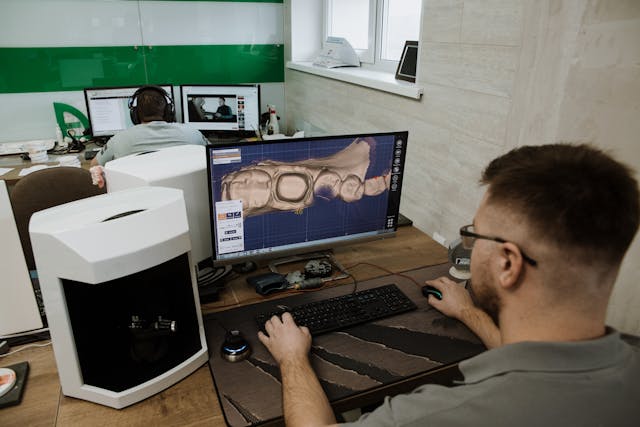
The Value of Engineering Design Services
Engineering Design services go beyond traditional drafting and documentation. They provide a holistic approach to problem-solving, combining analysis, simulation, and innovation to design systems and products that meet exact specifications. These services help industries optimize processes, reduce costs, and minimize risks.
Whether it’s creating sustainable infrastructure, designing electronic devices, or developing integrated systems, engineering design ensures projects are completed with accuracy and reliability. Modern engineering also relies heavily on digital tools, such as 3D CAD, BIM modeling, and simulation software, which further streamline workflows and enhance collaboration among multidisciplinary teams.
Infrastructure Planning: Building for the Future
At the heart of national development and industrial growth lies infrastructure—the foundation upon which economies thrive. Effective infrastructure planning is crucial for ensuring that cities, industries, and communities function efficiently. By combining engineering expertise with advanced technologies, planners can design systems that are resilient, sustainable, and cost-effective.
Key benefits of modern infrastructure planning include:
Sustainability and Resilience: Designs account for climate change, resource optimization, and long-term durability.
Smart Cities Development: Integration of digital technologies in transportation, utilities, and communication.
Improved Safety and Compliance: Projects adhere to international standards, ensuring safety and regulatory compliance.
Efficient Resource Utilization: Advanced modelling reduces waste and optimizes the use of materials.
From highways and bridges to water systems and renewable energy facilities, infrastructure planning powered by engineering design ensures that societies are equipped to meet both present and future demands.
Electronic Design Services: Powering Technological Progress
In today’s technology-driven world, industries are heavily reliant on electronics for everything from automation and communication to renewable energy management. Professional Electronic design services enable businesses to develop reliable, innovative, and high-performance products tailored to market needs.
These services encompass:
Circuit Design and PCB Layout: Essential for developing efficient, compact, and high-quality electronic systems.
Embedded Systems: Combining hardware and software to create intelligent, automated devices.
Prototype and Testing: Turning ideas into functional models that undergo rigorous evaluation.
Industry Compliance: Ensuring designs meet international safety and quality standards.
Electronic design services are indispensable for industries such as consumer electronics, industrial automation, automotive, healthcare devices, and renewable energy systems. By leveraging these services, companies can accelerate product development while maintaining high standards of quality and performance.
The Synergy Between Infrastructure Planning and Electronic Design
While infrastructure planning addresses large-scale systems and electronic design services focus on micro-level technologies, their integration under engineering design creates powerful outcomes. For example:
Smart Energy Grids: Infrastructure design combines with electronic systems for efficient energy distribution and monitoring.
Transportation Systems: Highways, railways, and airports integrate electronic controls, sensors, and automation for safer, more efficient travel.
Industrial Facilities: Structural planning integrates with electronic automation systems to improve productivity and safety.
Renewable Energy Solutions: Solar and wind power facilities rely on both physical infrastructure and sophisticated electronic management systems.
This holistic approach ensures projects are not only physically robust but also technologically advanced, aligning with global sustainability and innovation goals.
Why Businesses Should Invest in Engineering Design Services
The modern marketplace demands agility, sustainability, and innovation. By investing in Engineering Design services, businesses can achieve:
Efficiency: Reduce project timelines and costs with accurate modelling and simulation.
Innovation: Introduce cutting-edge products and systems that cater to evolving market needs.
Scalability: Ensure designs can adapt as businesses grow and industries evolve.
Sustainability: Align with environmental goals by reducing waste and adopting energy-efficient designs.
Competitive Advantage: Stay ahead in industries where precision and reliability are paramount.
Engineering design is not just about creating blueprints—it’s about enabling transformation across industries.
Conclusion
Engineering is at the core of modern progress, enabling industries to move beyond traditional boundaries and embrace innovation. Through infrastructure planning, societies can build sustainable foundations, while electronic design services empower businesses to create smarter technologies. Together, these disciplines form the backbone of advanced Engineering Design services that drive growth, efficiency, and long-term success.
By embracing these solutions, businesses and communities can shape a future defined by resilience, innovation, and sustainability.


.jpg)
Comments
Post a Comment